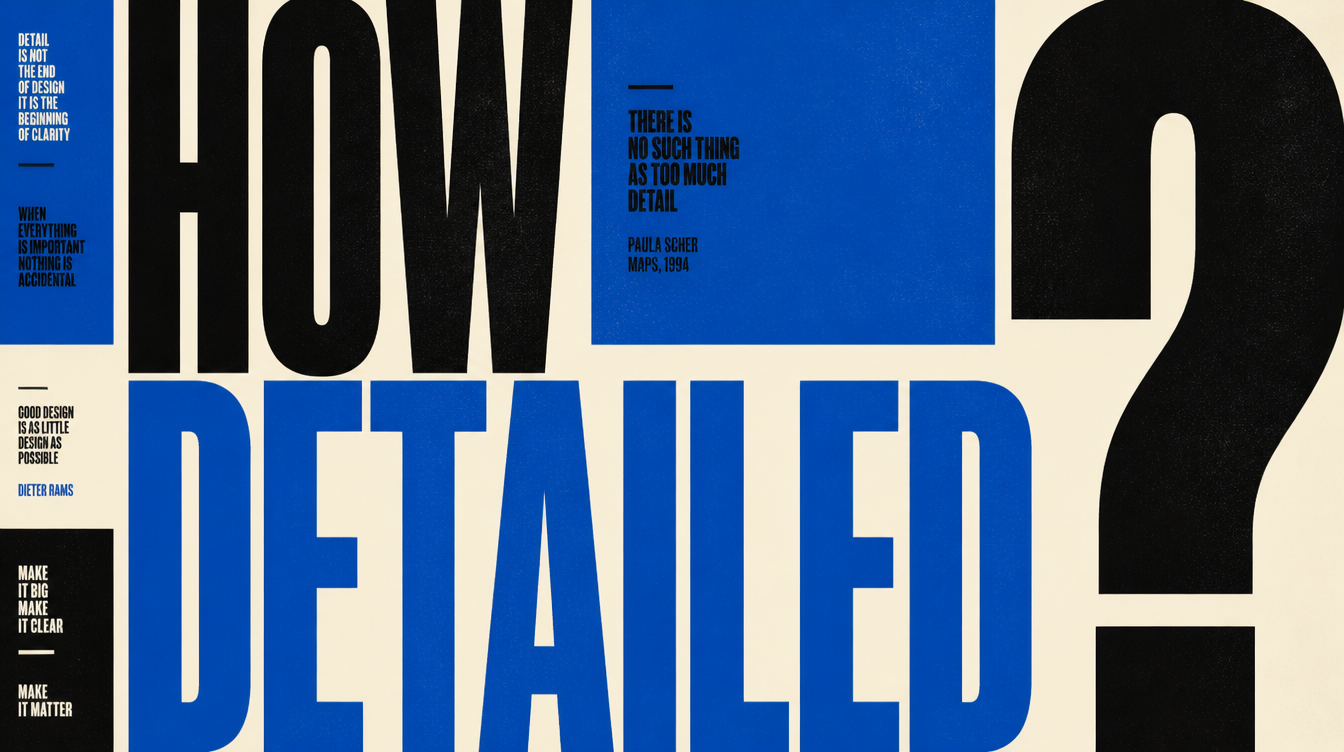
I've been thinking a lot about what happens to founders once they start building a team, especially when a lot of the work gets handed off to other people. There's this detachment that creeps in, this slow drift away from the actual outcome, where you're technically in charge of everything and somehow not really close to any of it anymore. And it's made me realize that before you build the team at all, there's an honest question you have to sit with, which is how close you actually want to stay to the work, and how detailed you really want this thing to be.
What happens when you hand too much off?
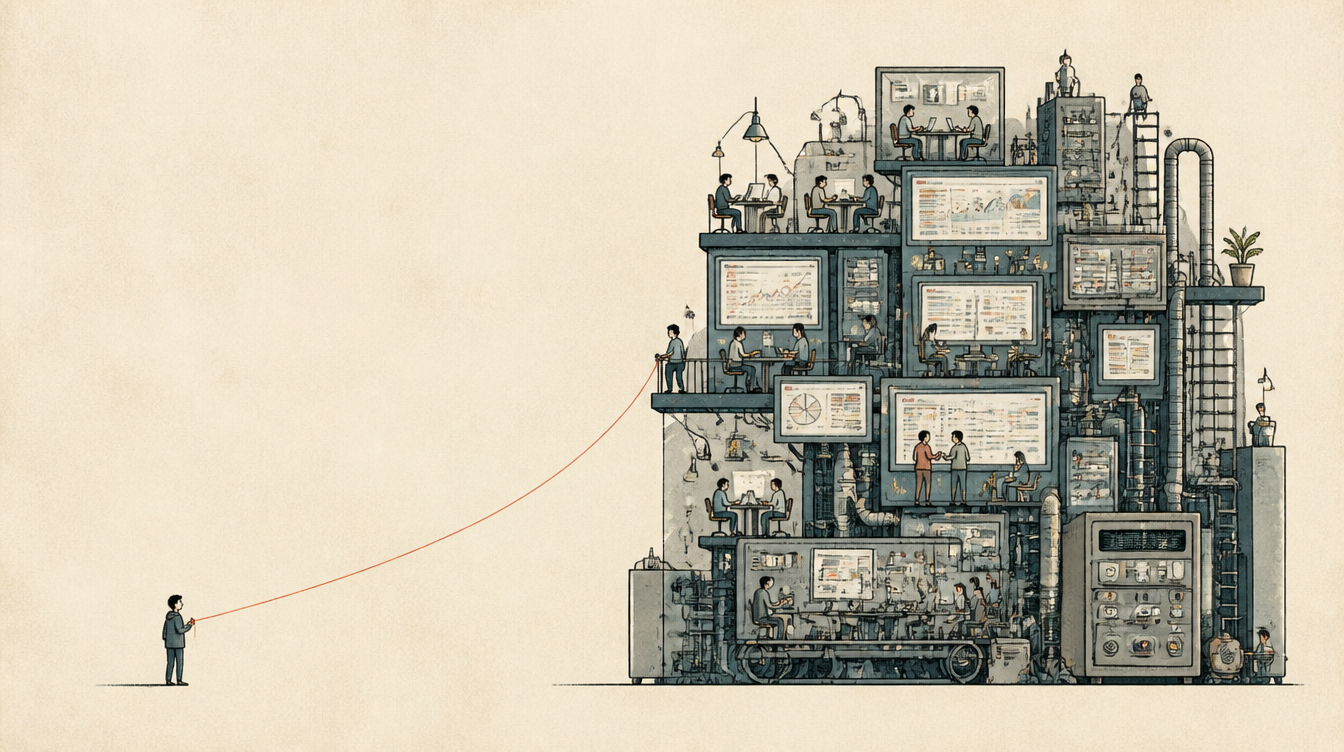
When you outsource a lot of what you're building, something subtle happens. You stop seeing the work. You start approving things you barely looked at, you lose the feel of it, and little by little you drift from the very thing you set out to make. I've watched this happen up close, where a founder is running everything on paper but has gotten so far from the day to day that they can't quite feel when something is off anymore. The further you get from the work, the harder it is to hold the standard, because you're no longer the one in the room with it.
The balance between too fast and too slow
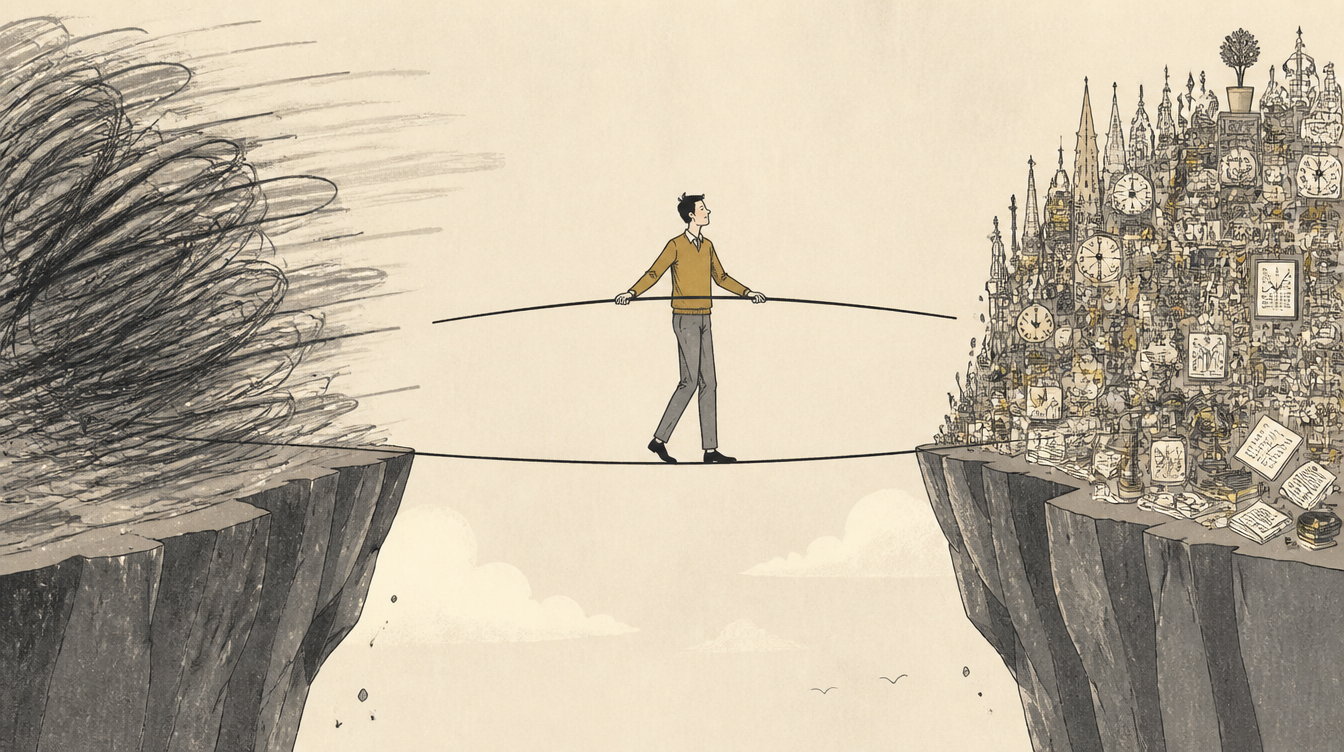
Every team I've worked with sits somewhere on a spectrum. On one end you've got people who move fast and hit deadlines but hand you work that's just okay, mediocre in a way that gets it done and nothing more. On the other end you've got people so buried in the details that everything slows to a crawl and the momentum dies. Neither extreme is where you want to live, and a big part of a founder's job is finding the balance between them, knowing when good enough is genuinely good enough and when something actually needs another pass. That judgment is yours to make, and you can't make it well from a distance.
Why eighty percent with a team beats perfect
Here's a principle I've landed on from doing this for real. When you've got a team, getting something to eighty percent good and out the door is phenomenal, because the consistency of showing up over and over is worth more than any single piece being flawless. When you're doing it alone, you can afford to get it nearly perfect, and then you build that consistency over time. But when you find yourself editing one video through eight rounds of revisions across several months, something has gone wrong, because the world is asking for a lot of content and asking for it quickly, and you have to build fast enough that people actually understand what you're doing. Sitting on one perfect thing forever is its own kind of failure.
Fast is fine, rushed is not
I want to be clear here, because there's a real difference between fast and rushed. I don't mind fast at all, fast is good. Rushed is a different animal, and you can see it in the work immediately. Rushed is when the logo comes out looking like crap, the designs feel weird, the editing isn't captivating, and the copy reads generic. It's what happens when the pace outruns the care, and it shows in every single piece. So the goal was never to slow down, it's to move quickly without letting the quality fall through the floor, and that only holds when someone who actually cares is close enough to catch it.
So look inward first
Which brings me back to the question underneath all of this. Before you build a team, before you hand your brand to a room full of people you've never sat with, you have to look inward and ask whether you genuinely want to build this thing, and how detailed you want it to be. If it's a personal brand, this matters even more, because a personal brand requires you, your taste and your presence and your guidance, and it falls apart the moment you detach from it completely. There's no shame in deciding you want something lean and fast and good enough, and there's no shame in wanting it meticulous either. But you have to know which one you are before you hand the keys to anyone else, because a team can only build what you're willing to stay close enough to guide.
Why it's worth the honesty
None of this runs on autopilot. The founders who build something that lasts are the ones who stay close enough to feel when it's right while still trusting their team to move. If you're figuring out how to build that kind of engine without losing yourself in it, I'd love to talk. This piece is really the companion to my thoughts on why content is the easy part, so start there if you haven't. Work with me.