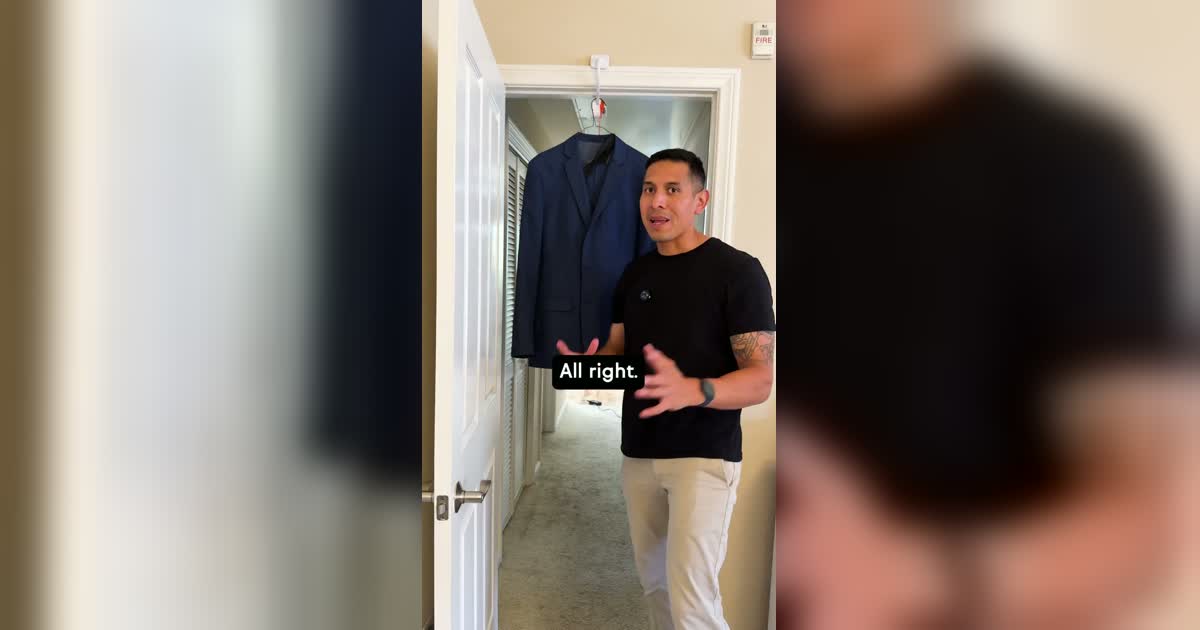
To help cover the cost of my wedding, I built a hidden landing page on my own site, marwhite.co/sprint, offering a limited run of photo and content sessions in Orange County. I wrote the video script with AI, wrote the landing-page copy with AI, built the whole site with an AI website developer, wired up Stripe, shot a video ad in a blue suit, and went from concept to a live, working funnel in about two weeks. Then I texted the link to twenty-plus people and closed around four. It didn't pay for the whole wedding, but it proved something bigger about what one creative person can build now.
Weddings, as it turns out, are expensive. There are flowers and chairs and linens and little cards with people's names on them and a startling number of costs I didn't know existed until recently. So instead of asking anyone for a handout, I did the thing I'm actually good at and turned it into an offer.
What is the Wedding Content Sprint?
It's a limited run of professional photo and content sessions, priced for a short window before the wedding, for founders, coaches, creatives, and anyone whose website is still running on a photo from four years ago. I framed it as exactly what it is: not a fundraiser, a fair trade. You get polished content that helps you show up better online; I get a little closer to paying for the flowers and the decorative forks. Three tiers, one clear pitch, live at marwhite.co/sprint, Orange County only.

Why hide the landing page on my own site?
The page is intentionally unlisted, set to noindex, so it isn't meant to rank or surface in search. It's a page I hand to specific people, not a billboard. That's the point: a sprint offer works best as something you send directly to a warm list, not something you scatter to the wind. The public version of this story is the post you're reading. The offer itself is a quiet door I open for people I text.
How I built the whole funnel in two weeks
Here's what "two weeks from concept to execution" actually included. I wrote the video script, with Claude helping me shape it. I wrote the landing-page copy, again with AI in the loop. I used an AI website developer to build the site itself, and it came out extremely clean. Then the unglamorous connective tissue: wiring up Stripe so payment holds a date, making sure every link and landing page actually worked, doing the photography, and editing the video ad. I shot that ad in a blue suit, not the one I'm wearing at the wedding, just a look for the content.
Back in the day, standing up a funnel like this, the platform, the copy, the payment flow, the video, would have taken a long time and probably a small team. I did it solo in two weeks. That compression is the real headline. It's the same instinct behind treating your own skill as a media arm: the tools are cheap now, so the bottleneck is deciding what's worth building.
How did I actually get bookings?
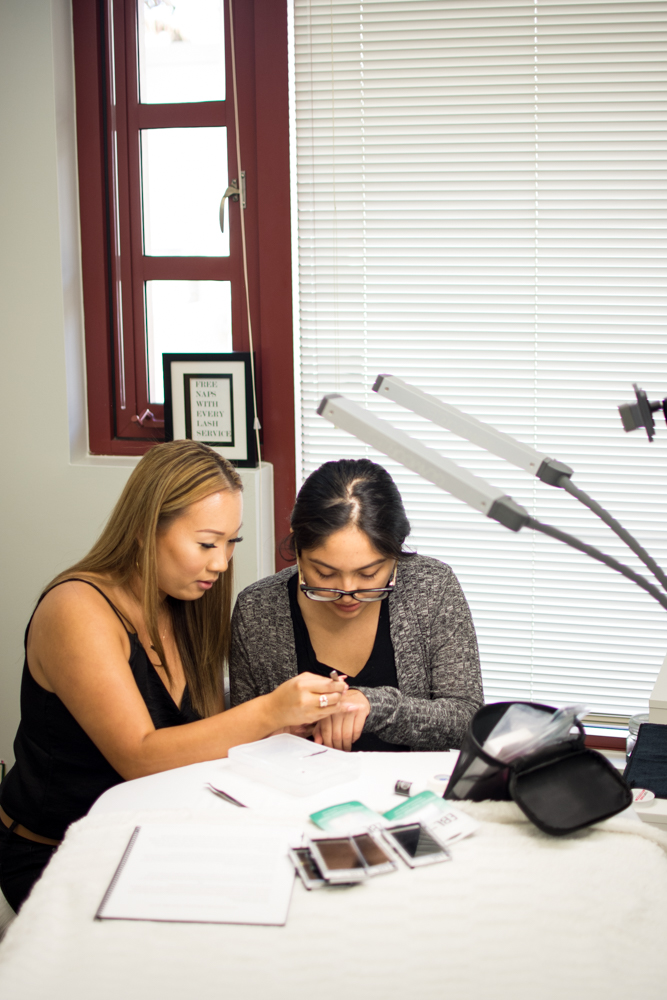
I released the video on social media, and that's not what worked. What worked was texting the link directly to more than twenty people. Out of those, I closed about four. The lesson is one I keep having to relearn: direct beats broadcast. A personal text to a warm contact converts at a rate a public post rarely touches. If you build an offer, don't just post it and hope. Hand it to specific humans.
Why be cheeky about the whole thing?
Because "help me pay for my wedding" is awkward, and awkward doesn't sell. So I leaned all the way into the honesty: apparently weddings are expensive, this is a fair trade and not a GoFundMe, and yes, some of this is going toward decorative forks. The humor does real work. It disarms the ask, it sounds like a person instead of a funnel, and it's differentiated. As a creative, your tone is part of the product.
What this proves you can do with AI and your own skills
This wasn't really about the wedding. It's about what's testable now. You already have a unique skill set. Add an AI website developer, a little creative thinking, and a willingness to try something slightly ridiculous, and you can stand up a real, working, monetized offer in two weeks. The same move works for a sample sale, a promotion for your business, or a crowdfunding push, anything where you want to test demand fast without building forever. The barrier used to be production. Now the barrier is imagination.
The honest part
Did it pay for the whole wedding? No. Weddings cost more than four bookings can cover, and I'd have loved a bigger outcome. But it taught me a lot, it's still running, and it did exactly what a test is supposed to do: it proved the idea works and showed me where the real leverage is. If you want the personal side of all this, what planning a wedding actually feels like, I wrote about that separately in I've Filmed Weddings. I Still Had No Idea What Went Into One. And if you're a creative sitting on a skill and a reason, consider this your permission slip to build the weird thing.